
Welcome to The Connection,
NASAP’s Online Newsletter
September 2026 Issue
Dear Fellow Adlerians,
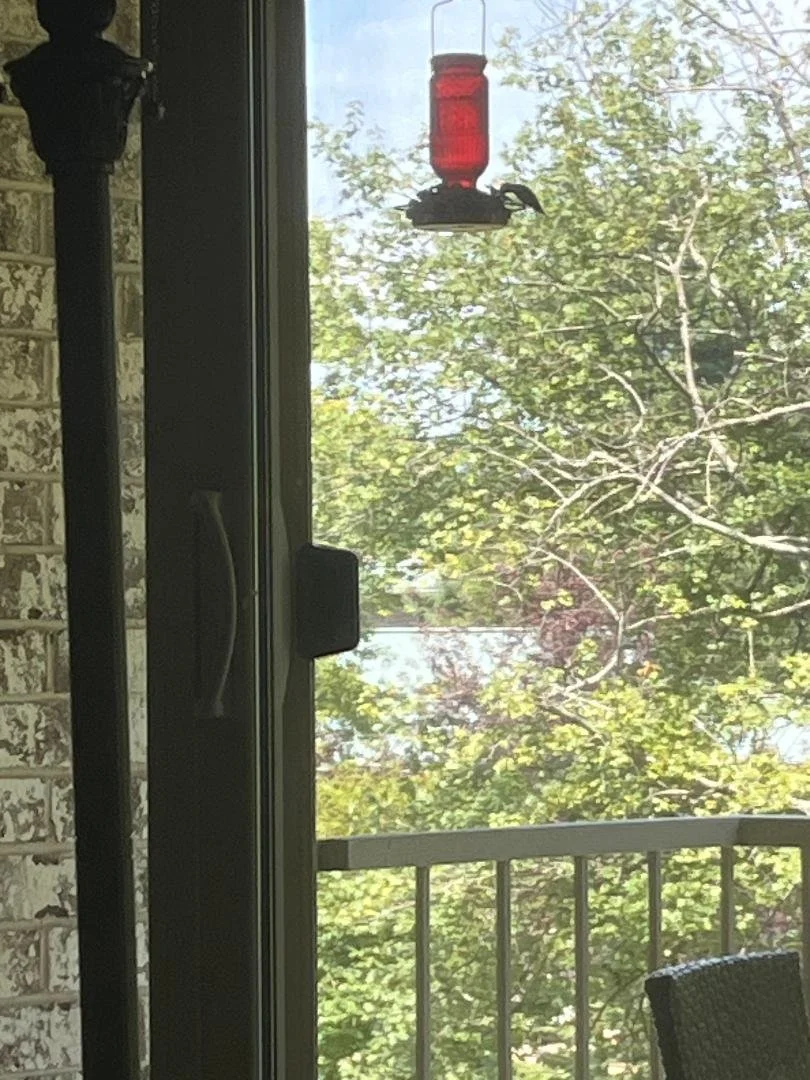
I have been enjoying the final days of summer—kayaking, hiking, inner tubing, and spending time with friends at the pool and beach. My happiest accomplishment of the past three months has been finally encouraging the little hummingbirds in my backyard to regularly visit my feeder.
Late summer and early fall have traditionally been a time of new beginnings for me. As the school year started, I was always excited to pick out new school supplies and thoughtfully consider what color notebooks and folders would go well with what subjects. I believe I still lean into these creative tendencies today in editing The Connection.
NASAP, as well, is experiencing new beginnings as the freshman board members settle into their tenures and we launch a search for a new executive director to carry on the fine example that Susan Belangee has set for the past six years. I hope you enjoy this September issue of The Connection and that this shift in the seasons brings fresh perspectives and a renewed optimism.
Sincerely,
Ellen Alderton, Editor
President’s Message
Ben Rader, Psy.D.
It Is Our Job to Support the Work of Others
In this, my second address to The Connection as president, I wish to cast our attention beyond our organization, and consider those that are practicing Individual Psychology beyond our own operations. For me, this is of paramount significance.
However, in doing so, I wish only to highlight the purpose outlined in our own constitution, and in particular our second item, “to support the activities, efficiency, and development of individuals and groups in Individual Psychology.”
By the time Adler made that long trek across the Atlantic Ocean to the United States, he had already succeeded at birthing his brand of psychology, through the establishment of multiple organizations, practices, and clinics. These numerous entities continued doing his work and disseminating his transformative perspectives beyond Vienna and throughout Europe.
NASAP is hardly the first organization to set out to spread the word of Individual Psychology, and we could not do what we do now without learning from others that came before us. Therefore, remaining attentive to and supportive of the work that is done by others is hardly a selfless act. Indeed, we need these other groups and organizations for NASAP to meet its charge, but also to ensure that we as an entity do not live in an isolated bubble, unable to learn or grow from the contributions of others.
As I prepare this article in mid-August, I am struck by how these last few weeks since our conference have been busy times for Adlerian psychology. In June, the Adler Horizons conference brought in nearly 300 interested learners in the organizers’ first-ever live conference. Shortly thereafter, Positive Discipline hosted its in-person conference in Coral Springs, Florida. As of this week, much of the global Adlerian community is recovering from jetlag in their return from ICASSI. This week alone I have exchanged texts with Adlerians traveling to Lithuania, presenting in China, living in Mexico, and practicing in all four different continental time zones in the U.S. We are an active and diverse group of people!
So, when we think about the “success” of NASAP as an organization, what we really need to consider is not only how successful are we at bringing people to our conferences and trainings, but how successful we are at supporting, promoting, and encouraging the world outside of NASAP in promoting Adlerian perspectives the world over! And from my little spot on the map, what I see is a world that is absolutely hungry for Individual Psychology. In fact, it may be starving for it and not even know it!
Where were you on the map when Individual Psychology hit you? How did it change your headspace and worldview going forward? Did it change how you approached parenting? Did it change how you teach? How did it affect your view of the human condition, and how we show up for others? Did you know you needed it before you got it? Did you realize how rewarding it was going to be to share it before you passed it along to others?
Increasingly, I am reminded of how wonderfully selfish social interest is! This thing that we have in Individual Psychology, when we can give it away, comes back tenfold in improving things for our own lives. Similarly, it is when we can look beyond our own practices in Individual Psychology, and we can champion and support the activates and efforts of others, our own individual and organizational life is enriched.
So, as we move forward in our quest to live into our organization’s constitution and purpose, let us not forget that our purpose, at its core, is really about others. We have a charge in NASAP, to support and improve upon this shared work, that began before we even got here.


August News from the Office
By Susan Belangee, Ph.D., NASAP Executive Director
Summer down here near “Hot-lanta” always brings a slower pace simply because moving quickly wears you out. The heat and humidity are a force to contend with, but we find ways to march forward, albeit sweaty as we go. This month’s news offers fruits of some behind-the-scenes labor, so please take a moment to read the latest updates from the office.
1. The conference theme for the 75th Annual NASAP conference, happening next June 3-6, 2027, is “NASAP at 75: Social Interest and Belonging in Modern Times.” The call for proposals, both the main conference (Friday and Saturday sessions) as well as pre- and post-conference workshops, are available on the website. Use this link to go to that page.
2. There is also a great flyer on that same page that you can download and share with your colleagues, students, friends, etc. So please spread the word far and wide! If you are a member of a listserv for another organization, please share the flyer and the proposal information. The deadline is October 1, 2026.
3. Ben Rader is diligently trying to add members to the various committees in NASAP. If you are a current NASAP member (any type) and wish to contribute time, talents, and energy to a committee, please email Ben or email the office so we can connect you to that group. You can also complete the online Google form to share your interests. The available committees needing help include:
a. Public Relations
b. Conference and Meetings (Urgent need)
c. Constitution and By-Laws
d. Finance and Grants
e. Publications and Theory Development
f. Membership
g. Education and Professional Development
h. Ethics
4. An email was recently sent out to all NASAP members about the anticipated opening for the executive director position. After six years of officially serving in that capacity, it is time for me to hand over the reins to another capable individual. More information about the position requirements, salary, et cetera will be shared soon, but if you wish to indicate your interest now, please email the office.
5. If you attended the conference in Minneapolis and have not received your CE certificate, please email the office. There have been a few emails that have bounced and we have no other way of contacting you to send your certificate.
Thank you,
Susan
Earn Free Continuing Education Credits
The free continuing education article featured in Thinkific for this month is:
Pepper, F. (1979). The Characteristics of the Family Constellation. The Individual Psychologist, 16, 11-16[0.8 CE hrs]
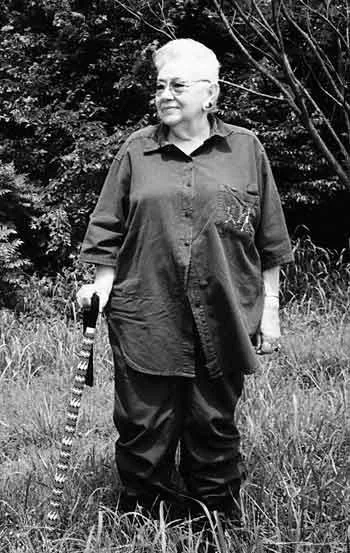
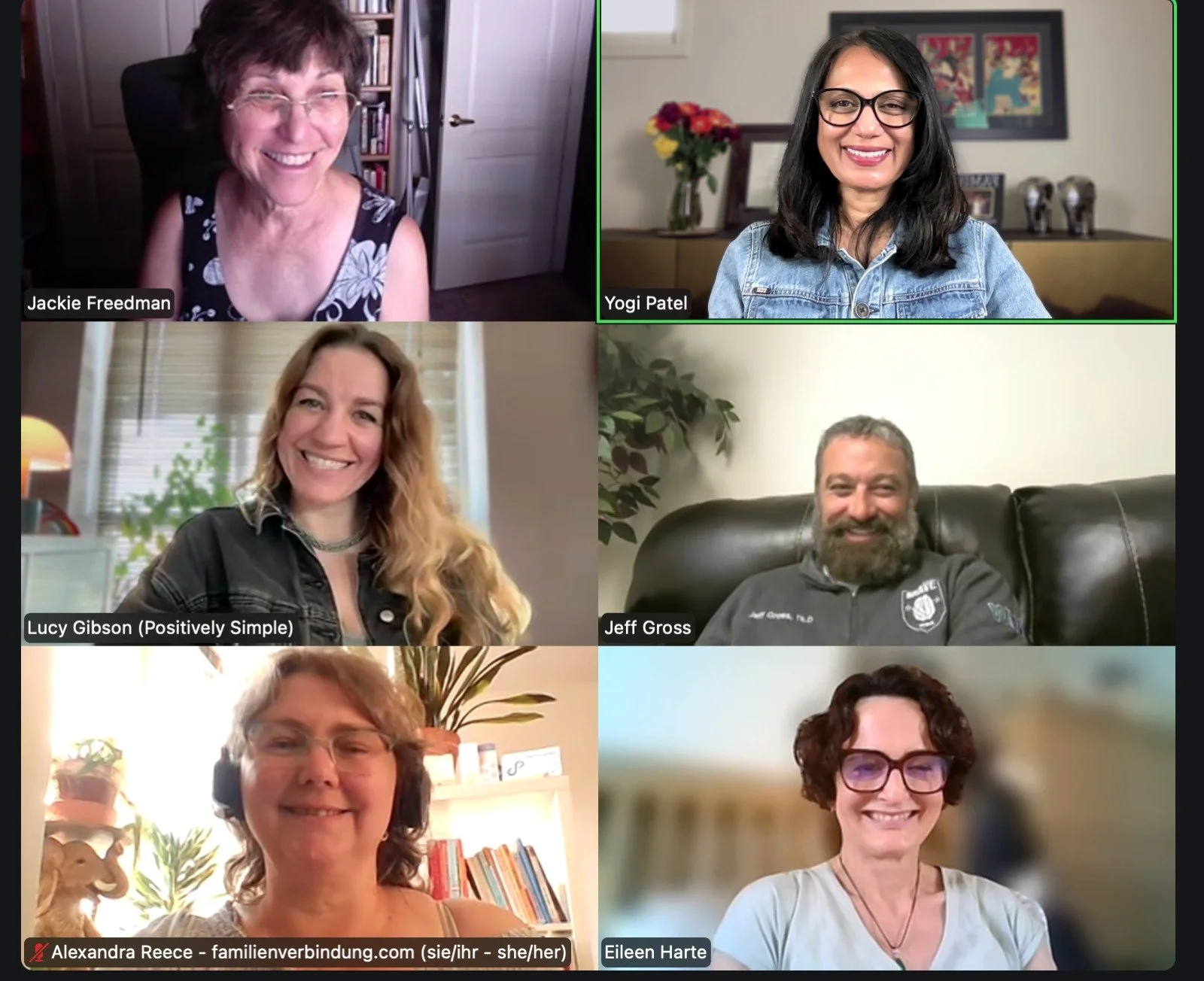
This article offers an excellent list of style-of-living hypotheses that emerge from various sibling positions and relationships. Pepper, pictured at right, identifies five sibling positions and emphasizes the role of gender in the family constellation dynamics.
Floy Pepper (1917 – 2010) Was a Muscogee Creek Indian, teacher, school counselor and author. She met Rudolf Dreikurs while taking coursework at Oregon State University. She was a founding member of Oregon Society of Individual Psychology and co-authored Maintaining Sanity in the Classroom with Dreikurs and Bronia Grunwald. She worked as a consultant for many Native American educational organizations, including First Nations peoples in Canada.
To access the free article, go to the NASAP Thinkific site - https://nasap.thinkific.com/. If you have made an account in Thinkific already, then log in and you will find the article is featured on the front page. If you are new to Thinkific, the directions for making an account are located on the following NASAP website page - https://www.alfredadler.org/thinkific.
NASAP Sections Update
Education Section
The NASAP Education Section brings educators together from around the world to learn, connect, and grow through Adlerian principles and collaborative conversations. We meet on the third Thursday of each month from 9:00–10:30 AM Pacific Time, welcoming educators who are passionate about creating classrooms and schools where every learner experiences belonging, encouragement, and mutual respect.
A heartfelt thank you to our wonderful presenters, Dr. Bill Nicoll, Dr. Susan Belangee, Robert Broughton, and Amy Lew, and to everyone who has generously shared their wisdom, research, practical strategies, and lived experience with our community. Your willingness to learn together strengthens us all.
This month, we invite you to pause and reflect: How might one small act of encouragement change the course of a student’s day? Sometimes the most meaningful learning begins with feeling seen, heard, and valued.
If you are an educator, please share these details and encourage others to join the NASAP Education Section as we continue learning from one another and exploring ways to bring encouragement, courage, and connection into our schools and communities .
Family Education Section
The Family Education Section (FES) has always been one of the more active Sections of NASAP. Our members are primarily family and parent educators but also classroom teachers, therapists, coaches, and college professors whose work is rooted in or informed by the basic Adlerian parenting techniques that apply broadly to all human interaction.
Dr. Rudolf Dreikurs, founder of NASAP (and the Alfred Adler Institutes around the world), often made his entry into new communities by introducing Adlerian parent education through lectures, classes, and open forum demonstrations. Family education is a core, fundamental part of NASAP’s DNA.
Over the years, the co-chairs of our FES have found ways for us to connect and support one another during the months between in-person conferences. For years, we published, printed, and snail-mailed newsletters to stay in touch (some now posted to the NASAP website); then leaned into online list-serves; and finally, in this post-COVID period of live video, we meet every month and have real-life friendships and operating support networks.
Since 2020, we were fortunate to have years of service of co-chairs Bob Saxner and Marjie Longshore. Under their leadership, we developed a highly useful “Parent” set of pages on the NASAP website, https://www.alfredadler.org/parent
Because of Marjie’s generous sharing of her Family Leadership Center’s Zoom account, what began as an informal way to connect became monthly hour-long meetings. In those meetings, we have been fulfilling the mission statement adopted in 2004 under PEP founder Linda Jessup’s leadership: We share resources, support one another, and explore and exchange effective methods related to implementing and sustaining family education classes.
In the past few years, we have reviewed videos of Dr. Dreikurs demonstrating, and we have learned about classic open forum techniques; aided by the active participation of member Dr. Amy Lew, co-author and originator of books based on Crucial Cs, we have explored Adlerian insights in our field.
FES leadership created an agenda, inviting members to add to it between the sessions, sharing ideas and suggesting topics. Recently, Rob Guttenberg presented on his current video work posted on a local YouTube channel—a series on “Understanding Yourself and Others”; and Dr. Jerry Hiller described his 35 years and continuing work, in partnership with his wife, in a drop-in center, now virtual, based in Chicago. Jim Skinner responded on our behalf to a request for parent curriculum assistance from a student in Iran who messaged NASAP’s page on LinkedIn. Even just introducing ourselves on the Zoom gives us a glimpse into the breadth of applications of Adlerian family education, like Gredder Rios-Lorenzo’s work with Spanish-speaking deaf individuals.
This is barely the highlights reel!
As FES Secretary, Holly Weaber created a Padlet, https://padlet.com/NASAPFamilyEducationSection/family-education-section-yfk4um5tewsujx2a, to extend our communicating between sessions and conferences. Members from around the world now feel like we know one another.
At the recent 2026 conference, Holly and Hollister Hunt (based in Rwanda) were elected to serve as our co-chairs. Miosotis Cotto and Gredder stepped up to assist as secretary and treasurer.
We are bursting with enthusiasm to ensure that Adlerian parent education will have many contributions developed in time for the October 1 Dallas conference proposal deadline. Among topics our members suggested at the recent meeting: parenting strategies addressing diverse communities, grief and loss, intuition, neurodiversity, autism spectrum, self-image, resilience, bilingual and other practical parenting tools. The group discussed the need to increase parent attendance at conferences, and to align and consolidate proposals to avoid overlap and invite a diverse range of presentations. They also came up with suggestions on varying the opportunities to meet outside a formal conference presentation, at the Dallas conference.
Interested in joining? Email Submission Form
What Do Young, Neurodivergent Adults on the Autism Spectrum Need to Survive in the Real World? An Adlerian Perspective
By Kathi Coker, Ed.D., LMHC.
This month, we are honored to feature an insightful collaboration from the Florida Adlerian Society. Dr. Kathi Coker shares her valuable expertise on supporting young neurodivergent adults on the autism spectrum as they navigate the transition into independence.
Recent Centers for Disease Control and Prevention data show that 1 in 31 children in the U.S. is identified with autism spectrum disorder (ASD). Health and Human Services Secretary Robert F. Kennedy Jr. called rising autism rates a preventable "epidemic" caused by environmental toxins rather than genetics or better diagnostic screening. His remarks—describing severe autism as a tragedy that "destroys families" and leaves individuals unable to work or live independently—drew sharp backlash from medical experts and advocacy groups.
Adlerian Psychology suggests an individual's behavior can only be understood in relation to society. Adler’s specific unique concept of security causes individuals to develop either cooperative or other methods in their effort to achieve success, based on their fictitious “private logic.” But how does this work for those on the spectrum? Many autistic individuals struggle to take on Adler’s three primary tasks—work/occupation, social relationships/friendship, and love/intimacy. They avoid connection and move towards isolation and disconnection, leaving them poorly equipped to face adulthood.
I work intensively with autistic individuals, many who are in their late teens and early 20s. A majority of them retreat to their bedrooms, sometimes 24 hours per day, even refusing to eat meals with their families. I hear parents lamenting about what will become of their autistic young adult. It is clear in most cases that these individuals are not even close to being able to live independently. They shirk away from chores or any type of productive activity. They shun social interactions and have no interest in dating or sexual intimacy. How do we engage these individuals to approach life’s tasks? When it comes to the parents of these individuals, many throw up their hands, exhausted from two or more decades of trying in vain to connect with their children and to move them out into the adult world.
One promising thing I have found with many autistic young adults is their intense interest in video games and other online media such as chat rooms and social media. Many of my clients report having “close, intimate friends” online: friendships that endure for years. This shows that their innate need to connect with others is present but not fully developed. While these relationships and social media platforms serve a purpose for my clients, I do see some potential problems. For one, many autistic individuals are naïve and at-risk of being taken advantage of emotionally and financially. A second concern is the platforms that allow users to become an avatar or being who exists in a fantasy world, devoid of the typical problems young adults must face. I have seen clients lose themselves in the worlds which allow them to avoid the tasks of life, thus prolonging their “stuckness” and stagnation.
How do we apply Adlerian psychology to these individuals? One approach could be to educate parents on the “Crucial Cs,” as early as possible in their children’s lives. I maintain that most autistic children and young adults feel disconnected, discouraged, incapable, and insignificant. The world is challenging for the healthiest young adults who experience the Crucial Cs. How do we build these beliefs in the neurodivergent population? Connection, purpose, belonging, and social interest are the keys to unlocking the minds of autistic individuals and encouraging them to take on the tasks of adulthood.
Furthermore, Adlerians also believe in the possibility of altering behavior. This is an attempt to recognize the goal of the individual, his life plan, the methods he uses to relate himself to life, and to give this knowledge to him. This understanding provides insight. It is an Adlerian approach to encourage change in the patient's misconceptions of life which he formed in early childhood. This enables him to give up his efforts to secure himself according to his private concepts and to accept a cooperative goal. Then he can learn to use cooperative methods. Adlerian therapy helps him grow his social feeling which we all have at birth but which, according to Adler, has to be developed.
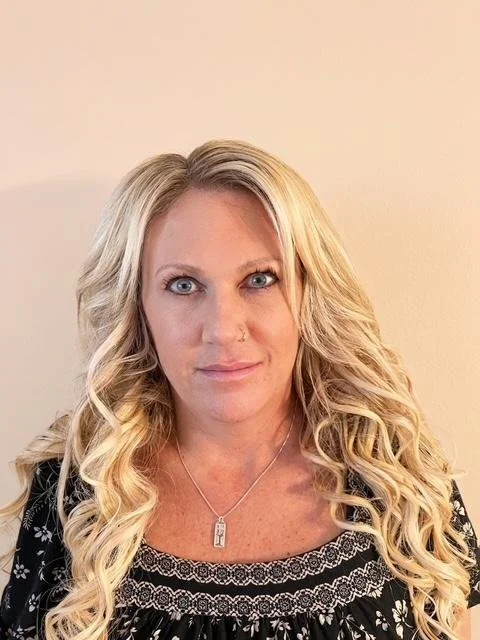
Exploring Social Interest Through Relationship: Reflections from Adler Horizons 2026
Adler Horizons 2026 marked the inaugural Toronto Adlerian Psychology Salon, bringing together Adlerians from across North America and beyond for conversation, reflection, and shared learning. Held in the culturally diverse city of Toronto, the gathering provided a meaningful setting for exploring how Adlerian principles continue to evolve through relationships with one another and with the communities we serve.
Throughout the salon, one theme emerged consistently: relationships. Adlerian psychology has always emphasized the importance of social interest and belonging, and Adler Horizons offered a powerful reminder that these concepts are not only theoretical foundations but lived practices. Through an Indigenous-informed salon format grounded in reciprocity, humility, and collective presence, participants explored treaty relationships, allyship, decolonizing psychology, and the responsibilities involved in building more inclusive communities.
As the Co-chair of NASAP’s Social Justice Section (SJS), these conversations resonate deeply. The Section provides a space for members to explore how Adlerian principles intersect with questions of equity, inclusion, cultural humility, and community responsibility. It welcomes members interested in thoughtful dialogue, collaborative learning, and contributing to the ongoing development of Adlerian psychology in a changing world.
We invite NASAP members to become involved with the Social Justice Section, whether by attending discussions, participating in initiatives, joining a working group, or considering service on the SJS Executive. Every perspective strengthens the Section’s ability to foster meaningful conversations and advance the Adlerian commitment to social interest.
Through continued engagement we can ensure that social interest remains not only a principle we study, but a value we practice through the relationships and communities we create together.
Yours in Practice,
Louis Molnar
Co-Chair, NASAP Social Justice Section
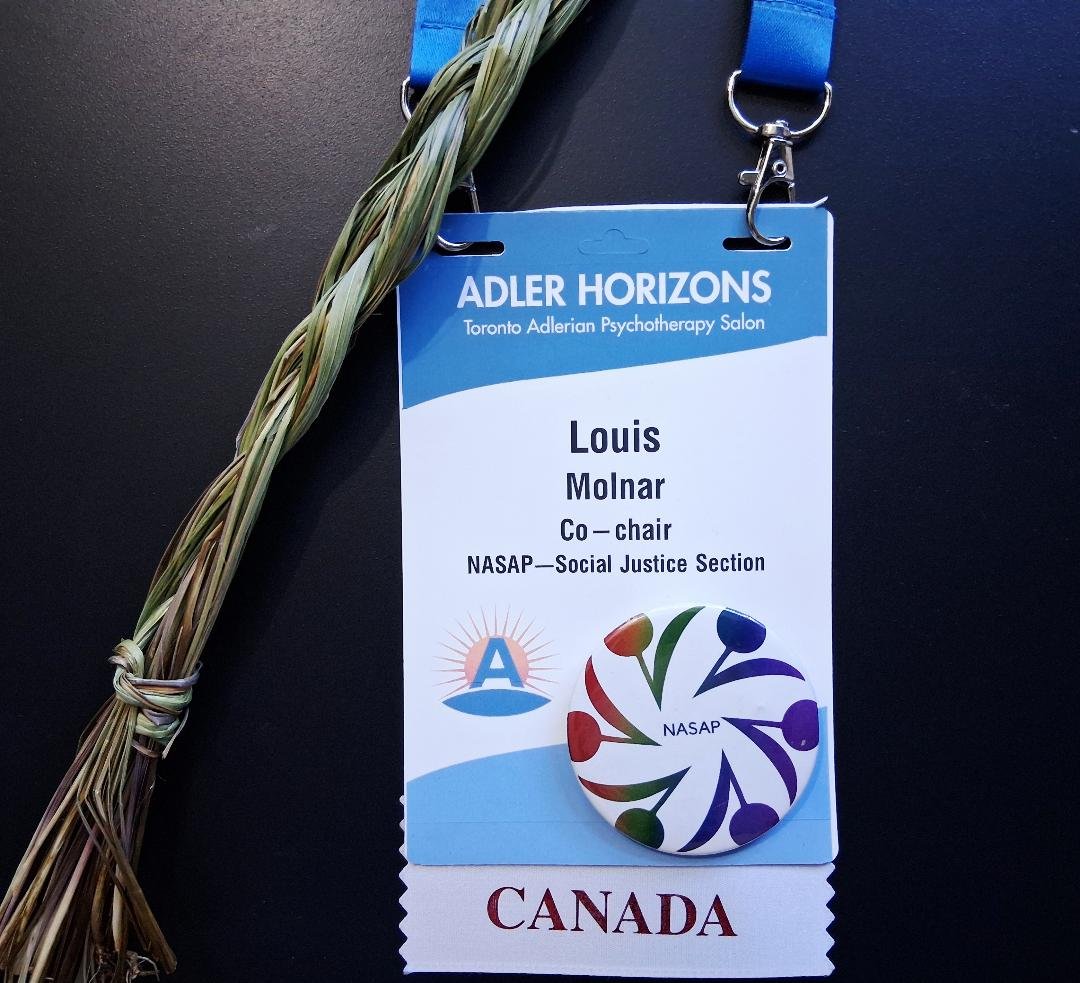
The Fragrance Paradox: Why the Scents We Love May Be Harming Us — And What Adlerian Psychology Reveals About Our Need to Belong
By Teresa Graye, Ph.D., Adler Graduate School
Walk into any home, office, or store and you’ll notice it immediately: the air is scented. Fresh linen laundry detergent. Vanilla candles. Citrus cleaning sprays. Perfumes promising confidence, romance, or success. Fragrance has become so woven into daily life that many people barely notice it — until their bodies do.
Across the globe, millions report headaches, breathing problems, dizziness, brain fog, or migraines triggered by fragranced products. Yet many of these same people say they love the way these products smell. This tension, attraction mixed with discomfort, is what researchers now call the fragrance paradox.
But the story isn’t just about chemistry or consumer habits. It’s also about belonging, identity, and our deep human need to feel connected. And that’s where Alfred Adler’s psychology offers a powerful lens.
The Hidden Health Toll of Everyday Scents
Recent studies show that more than one‑third of adults experience health effects from fragranced products. These reactions range from mild irritation to debilitating symptoms that interfere with work, relationships, and daily functioning. Scientists have linked fragranced products to asthma attacks, migraines, respiratory irritation, cognitive difficulties, skin reactions, and sensory overload, especially in autistic adults.
Some of the most surprising findings come from research on indoor air quality. Many fragranced products release volatile organic compounds that react with indoor air to form new pollutants, including formaldehyde. Dryer vents, for example, can emit measurable chemicals even when “fragrance‑free” products are used. And because these exposures happen in shared spaces — offices, classrooms, apartment buildings, gyms — they affect not just the user but everyone around them.
Why We Still Love Fragrance: The Psychology of Scent
If fragrance can make people sick, why do we keep using it? Because scent is emotional. It’s social. It’s symbolic. Research shows that fragrance influences how we perceive others, and how we want to be perceived. A pleasant scent can make someone seem more attractive, more competent, even more trustworthy. Many people use fragrance to boost confidence or shape their identity.
Sociologists describe scent as a form of social communication. It signals who we are, where we belong, and how we want to show up in the world. This is where Adlerian psychology deepens the story.
Adler’s Insight: Fragrance as a Tool for Belonging
Alfred Adler believed that humans are driven by a fundamental need for connection, community, and belonging, what he called Gemeinschaftsgefühl, or social interest. We strive to feel significant and valued within our social world.
Fragrance taps directly into this striving: Wearing perfume can feel like a way to fit in. Scented laundry or cleaning products can signal that we’re good, clean, or put together. Luxury fragrances can become symbols of status or identity. Pleasant scents can soothe feelings of insecurity or inferiority.
In Adlerian terms, fragrance often becomes part of our lifestyle, the pattern of beliefs and behaviors we use to navigate life’s tasks. For some, fragrance is a tool for confidence. For others, it’s a way to feel socially acceptable. For many, it’s a way to feel connected.
But Adler also warned that striving for belonging should never come at the expense of others’ wellbeing. When our personal choices harm the community, social interest breaks down. And that’s exactly what’s happening with fragrance.
When Scent Becomes a Barrier
For people with asthma, migraines, sensory sensitivities, or chemical sensitivities, fragranced environments can be disabling. Workplaces, schools, and healthcare settings often become inaccessible simply because the air is scented. This creates a form of invisible exclusion.
Adler emphasized that a healthy society is one where everyone can participate fully. When fragranced products prevent people from working, learning, or receiving care, the issue becomes not just medical, but ethical. Fragrance sensitivity is not a personal preference. It’s a public health and accessibility issue.
The Rise of “Natural” Scents, and Their Own Risks
As concerns about synthetic fragrances grow, many people turn to essential oils and aromatherapy. Research shows that certain essential oils, like lavender, can support sleep and relaxation. Aromatherapy can be a meaningful part of holistic wellbeing. But “natural” does not mean harmless.
Essential oils contain potent bioactive compounds. They can trigger reactions, especially in sensitive individuals, and they contribute to indoor air chemistry just like synthetic fragrances. The real issue isn’t natural verses synthetic; it’s awareness, moderation, and respect for shared air.
Toward a Healthier, More Inclusive Fragrance Culture
A fragrance‑safe society doesn’t mean eliminating scent. It means using fragrance in ways that honor both personal expression and community wellbeing — a deeply Adlerian goal.
Here’s what that could look like:
1. Fragrance‑free workplaces and healthcare settings: These policies protect vulnerable individuals and promote equity.
2. Transparent ingredient labeling: People deserve to know what they’re breathing.
3. Public education about fragrance sensitivity: Awareness reduces stigma and increases empathy.
4. Respect for shared air: Fragrance is never just personal — it affects everyone nearby.
5. A shift toward social interest: Choosing products with the whole community in mind reflects Adler’s vision of a cooperative, caring society.
A New Way to Think About Scent
Fragrance can be comforting, nostalgic, sensual, or empowering. It can also be harmful, exclusionary, and environmentally damaging. The challenge, and opportunity, is to hold both truths at once.
Adler taught that the healthiest societies are those where individuals act with awareness of their impact on others. When we apply that wisdom to fragrance, we begin to see scent not just as a personal choice but as a communal one. The fragrance paradox invites us to rethink what it means to smell “good,” and what it means to live well together.


The Letter That Finally Got Sent: A Family Story about Encouragement
By Wang Yang
Wang Yang teaches social-emotional learning in Beijing public schools using Adlerian psychology.
When I was a child, I loved to sing. Not in any trained or technical way, just the kind of singing that comes from somewhere instinctive, the kind that feels like breathing. When I heard about a local singing competition open to the public, something lit up in me. I went to my parents, full of that feeling.
"Our family doesn't have anyone who knows about these things," they said. "Forget it."
They weren't cruel. They weren't dismissive out of meanness. Looking back, I think they were doing the only thing they knew how to do: love me in the language of risk avoidance. A parent who has never been encouraged doesn't know what encouragement looks like. Rather than encouraging, they protect; closing the door quietly, before disappointment can walk through it.
Something happened in me at that moment that I couldn't name for years. It wasn't anger. It wasn't even sadness. It was something quieter, a feeling that folded itself up and pressed flat, like a letter that never got sent. I didn't fight it. I accepted their logic. I let the wanting go. This is what discouragement does: it doesn't announce itself. It teaches you, slowly and without drama, that your wanting doesn't count for much.
And here is what I understand now that I couldn't then: I let it go not because I agreed, but because staying small felt safer than wanting something out loud. That was how I mistakenly learned to belong.
Years later, my daughter came home from school with news: the school choir was holding auditions.
She was fourteen. She wanted to try. But she hesitated.
"I've never had any formal training," she said. "I probably won't make it."
I watched her standing at the edge of something she wanted, and I felt it: that old image surfacing, like a photograph slowly developing. I recognized what I was seeing. She wasn't lacking ability. She was lacking permission. And I recognized the particular silence inside her hesitation, because I had lived inside that silence too.
I didn't hesitate.
"Try," I told her. "Just try."
She auditioned. She got in. The surprise and joy on her face was something I will not forget.
What I gave her wasn't a guarantee of success, or the removal of all risk. It was encouragement—the kind that doesn't promise an outcome, only affirms that the attempt is worth making.
But I have come to believe something else, too. In that moment, I wasn't only giving my daughter something. I was also, quietly, answering a question that had been waiting for decades and giving the child I once was the response she never received.
The letter finally got sent.

All in the Family: The Birth of a NASAP Affiliate
This article was featured in Issue 15 of the Family Education Section’s newsletter, FAMILY!, published in April 2006. Contributor John Petersen also served as NASAP’s newsletter editor for several years in the early 2000s. With the recent passing of Tom Petersen, as memorialized at our recent conference, this re-publication is timely.
The Family Tree
The seeds were sown in the summer of 1967 at the University of Illinois where my father, Tom Petersen, pursuing his Ph.D. in Philosophy of Education, was forced to take two psychology courses. Studying education and epistemology, he was certain to avoid the behaviorists who were ubiquitous at the U of I in Champaign/Urbana in the late 1960s. The only non-behaviorist graduate psychology course available to him was taught by visiting professor Rudolf Dreikurs. My father sat in the first class and asked the student next to him if Dreikurs was a behaviorist, to which the student responded, “No. He’s a crazy Viennese psychiatrist!”
At first, my father concurred that Dreikurs’ approach was crazy. But before too long, he went home where my mother, Margaret Petersen, was tending to their first-born infant son and told her about his professor who says you don’t have to yell, threaten, or spank children to discipline them. She went to the class to see for herself. Together, my parents watched Dreikurs counsel a family in front of the class. Dreikurs’ wisdom, respect for children, and compassion for the family won my parents over. My father pursued Adlerian theory through his graduate studies. My mother, an elementary teacher by profession, participated in parent discussion groups and applied the parenting approach at home and in her work.
Continued at this link to read the rest and see an update from July 2026.