
Welcome to The Connection,
NASAP’s Online Newsletter
January 2026 Issue
Dear Fellow Adlerians:
As 2025 has drawn to a close, and as I have considered the course of this past year, I have been struck by the raw degree of inhumanity, or lack of social interest, exhibited by many public figures in the past 12 months. For someone who was fortunate to begin my life in a time devoid of great political unrest – after the assassinations of the Sixties, the brutal crackdowns against the Civil Rights movement, and the public discomfort surrounding the Vietnam War – I have remained a largely blissful Generation X’er who has felt secure in expressing my political opinions and in flexing my democratic freedoms for most of my life. I realize, of course, that the color of my skin, my native language, and my sexual orientation and gender identity have all contributed to making my daily routines simpler and safer than those of many of my fellow countrymen.
2025, by contrast, proved to be a year of disheartening disappointments and new, deep discomfort. As I have pondered my New Year’s resolutions, I realize that living with social interest and promoting Individual Psychology remains paramount to me. I have resolved to continue to donate to the political causes I believe in, to continue to attend public demonstrations, and to follow the news and current events – regardless of my frequent desire to simply bury my head in the sand. I will continue to volunteer for NASAP, and I will continue to pursue my other activities that promote a better public understanding of Alfred Adler and his important messages concerning how to live together in harmony in this turbulent world.
As we embark together on this journey that will be 2026, I hope that you, too, will find comfort, purpose, and meaning in Adler’s theories and teachings — and in the camaraderie of our NASAP community.
Sincerely,
Ellen Alderton, Editor, The Connection
P.S. If you wish to receive future issues of The Connection, be sure to sign up for a NASAP membership. Use the button in the top right corner to access the member login/sign-up page. There are several membership levels to choose from, and you will then be eligible for other member perks like discounts on conference registrations.
Dear Fellow NASAP Members:
As we welcome a new year, I write to you with the same unwavering optimism, clarity of purpose, and deep sense of responsibility that have guided me since the moment you entrusted me with this role. Alfred Adler reminded us that “we must interpret a goal to understand the movement.” In that spirit, I begin this year grounded in the conviction that only through purposeful striving—guided by clear goals and courageous movement—do we advance toward the future we envision for NASAP.
My optimism allows me to recognize both the good NASAP already does and the extraordinary potential that lies ahead. My purpose continues to focus me—sharply and steadily—on strengthening this organization while remaining faithful to our mission: to foster social interest, promote psychological health, and advance Adlerian scholarship and practice across communities. And my dedication is continually renewed by my awareness of the solemnity of this office. I will never lose sight of the trust you have placed in me to lead, to listen, and to safeguard our shared future.
A new year invites renewal. It invites us to revisit relationships that may have grown distant, to deepen those that sustain us, and to form new connections that expand our community. Merriam-Webster defines a relationship as “the way in which two or more things or people are connected; the way in which two or more people… behave toward and deal with each other.” NASAP is, fundamentally, a community—and communities rise or fall on the strength of their relationships.
Adlerians have long demonstrated what it means to cultivate positive, life-affirming human connections. We model encouragement, cooperation, mutual respect, and social interest. Adler taught that movement is the outward expression of our inner convictions; our actions reveal our true goals. As we live out the values of Individual Psychology—not only in our professional work but in our everyday interactions—we invite others to join us, learn with us, and become part of our mission.
Speaking of joining us: Our 2026 NASAP Annual Conference is now only four months away. I remain steadfast in my commitment to making this the largest and most impactful gathering in our history. But I cannot do it alone. I am asking each of you—members, friends, colleagues, and ambassadors of Adlerian psychology—to help spread the word. Tell your networks. Invite your students. Encourage your peers. The success of our conference, and indeed the future strength of NASAP, is a shared project. Together, we can make this conference historic.
As we enter this new chapter—with newly adopted bylaws and a strengthened constitution—let us also embrace a renewed Adlerian attitude: one that calls us to work harder for the good of others, especially the most vulnerable. Let us adopt an attitude that centers well-being—our own and that of our families, our clients, our colleagues, and our communities. Let us commit to relationships that foster resilience, cooperation, and courage in the face of the inevitable challenges that a new year will bring.
This, too, is our mission.
It remains my highest honor to serve as president of this remarkable society of committed professionals and passionate thinkers. I am profoundly proud of the work we have accomplished—and even more inspired by the future we will build together.
With respect, appreciation, and Adlerian courage,
Hallie M. Williams, Sr.
President, North American Society of Adlerian Psychology
President’s Message


Updates from HQ, January 2026
By Susan Belangee, Ph.D., NASAP Executive Director
Happy Holidays everyone! I am writing this update in early December knowing you all won’t see it until January. I realized I didn’t get the chance to wish you a happy holiday in the last issue, so I hope that you were able to enjoy the moments with family and friends that the recent holidays afforded.
The most important update to mention first is the Winter Virtual Event that will take place on January 17th. The registration opened in November but there is still time to sign up for this great event! Here is the link to the webpage with all the details - https://www.alfredadler.org/virtual-conference-2026. This event has two tracks to choose from, one focused on families and another that is more clinical in content. Each track offers five CEs if those are needed, including APA CEs for psychologists. (Please note that psychologists will need to switch between the tracks to receive all APA designated CEs.) The zoom links and other information will be emailed to registrants a few days prior to the event. Take advantage of the discounted price for members! (If you’re not a member yet, consider signing up to take advantage of the discounts for the Winter Virtual Event and others across the year).
The second most important thing to mention is that the Annual Conference is now quickly approaching! The programs have been chosen, and the registration is open – as are the sign-up forms for volunteers and scholarships. Everything can be found under the 2026 Annual Conference tab on the NASAP website. The hotel is ready to take your reservations and if you need a roommate, email me (executivedirector@alfredadler.org) and I will put you in touch with others who are also looking to share a room. While I won’t be making reservations or matching anyone up, I am happy to share contact information and you can take it from there!
I am here to help answer any questions regarding membership, conferences, and anything related to Adlerian psychology. I hope to see you at the Winter Virtual Event as well as at the Annual Conference in Minneapolis in May. Take good care!
Truly,
Susan
NASAP Conference Updates
The Winter Virtual Conference will take place on Saturday, January 17, 9:30-4:00 EST. Member pricing is in effect, with a special discount for those facing financial hardship. Register at this link. All details are on the 2026 Winter Virtual Conference page on the NASAP website. Please join us for this special event!
The 2026 Annual Conference will take place May 28-31 in Minneapolis, Minnesota. The deadline to submit poster proposals is February 15. Submit your poster proposal here. Learn more about the conference here.

Sign Up for an Adlerian Salon in Toronto
Dear Adlerian Friends:
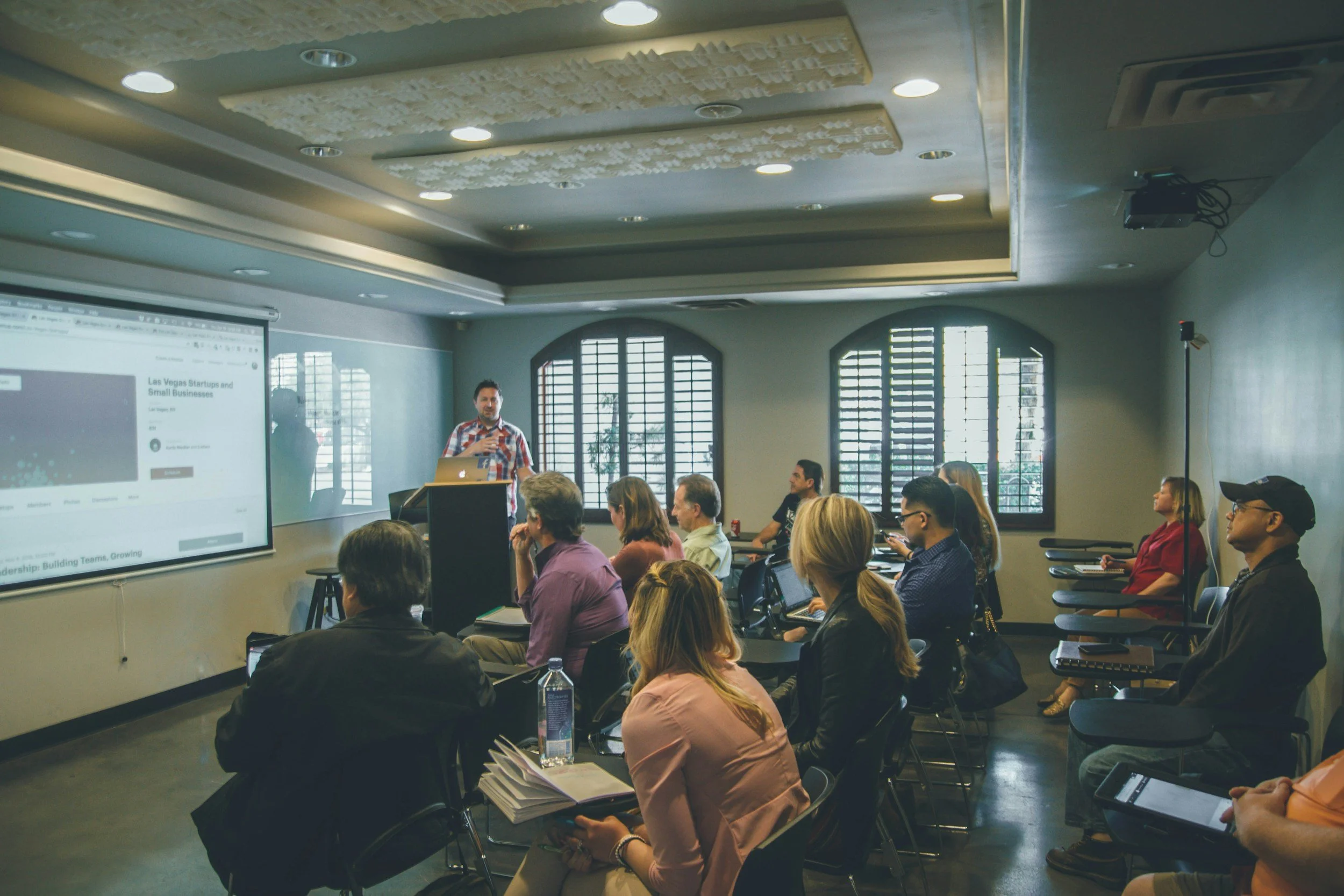
Horizon 2026: The Toronto Adlerian Psychology Salon is coming to Toronto, Ontario, Canada next summer, June 18-20, 2026. This event will offer an opportunity to see most of the North American Adlerian experts in one place, providing demonstrations, and engaging in dialogues, panels, and conversations. These are the people whose writings, practice, and trainings are on the cutting edge in the development of the model. Two foremost Adlerians will be keynoting the event – more on this to come later!
Click here for an initial flyer announcing the event. In future weeks and months, there will be additional flyers and announcements. While it is not possible to make the whole conference available online, the organizers will be trying to make as much of it as possible available virtually. Virtual will not be the same as being there, but it will offer some important aspects of the conference for people both within and outside of North America. We want participants representing Adlerians around the world at the conference, and they want you to be there too. There will only be space for 400 people, so please use early registration to sign on soon.
Visit this link to see the conference website.
Sincerely,
James (Jim) Robert Bitter, Ed.D., NCC
Professor Emeritus of Counseling
Department of Counseling and Human Services
East Tennessee State University
Receive a Free CE Credit for Reading Two Case Studies
For the months of January and February, Rocky Garrison, Ph.D., has identified two case studies to read for CE credit.
The first, for January, is by Adler:
Adler, A. (1937). A school girl’s exaggeration of her own importance. International Journal of Individual Psychology, 3(1), 3-12.
Abstract: Presents the case of an 11-year-old girl to illustrate the Individual Psychology approach to a case history, specifically the empathic approach, unity/holism, goal-directedness, inferiority/superiority striving, social interest, life tasks, mistaken beliefs, and safeguarding mechanisms. Interventions with the child are proposed and discussed.
The second, for February, is by Wittman:
Wittman, R. (1936). A pampered child and his stepmother. International Journal of Individual Psychology, 2(4), 79-90.
Abstract: Presents the case of a 13-year-old boy, Carl, whose mother died when he was three, father remarried five or six years later, and father died two years later. Carl was the youngest in a siblingship of five plus three step-children. Following some time in a foster home and an orphan home, at age 14 he was admitted to the author’s institution for vagrancy, property destruction, arson, hostility, and disobedience. These problems began around the time of father’s remarriage. The case study provides a detailed demonstration of instructions and interpretation of written themes as a tool for understanding the child, using seven of Carl’s written essays.

Community Conversations for Living on Purpose (CCLP)
You are invited to be part of our monthly conversations, which take place on the fourth Saturday of every month. Our next meeting will be on Saturday, January 31, 2026 10:00-11:30 a.m. EST via Zoom. The topic for discussion is Finding Meaning and Purpose in Life. Register here. Following your registration, you will immediately receive a confirmation from Zoom with the 'Join Meeting' link. If you do not receive a registration confirmation, you have any difficulty registering, or you have questions, please email us at cclpconnections@gmail.com. To read more about this event, visit our website.

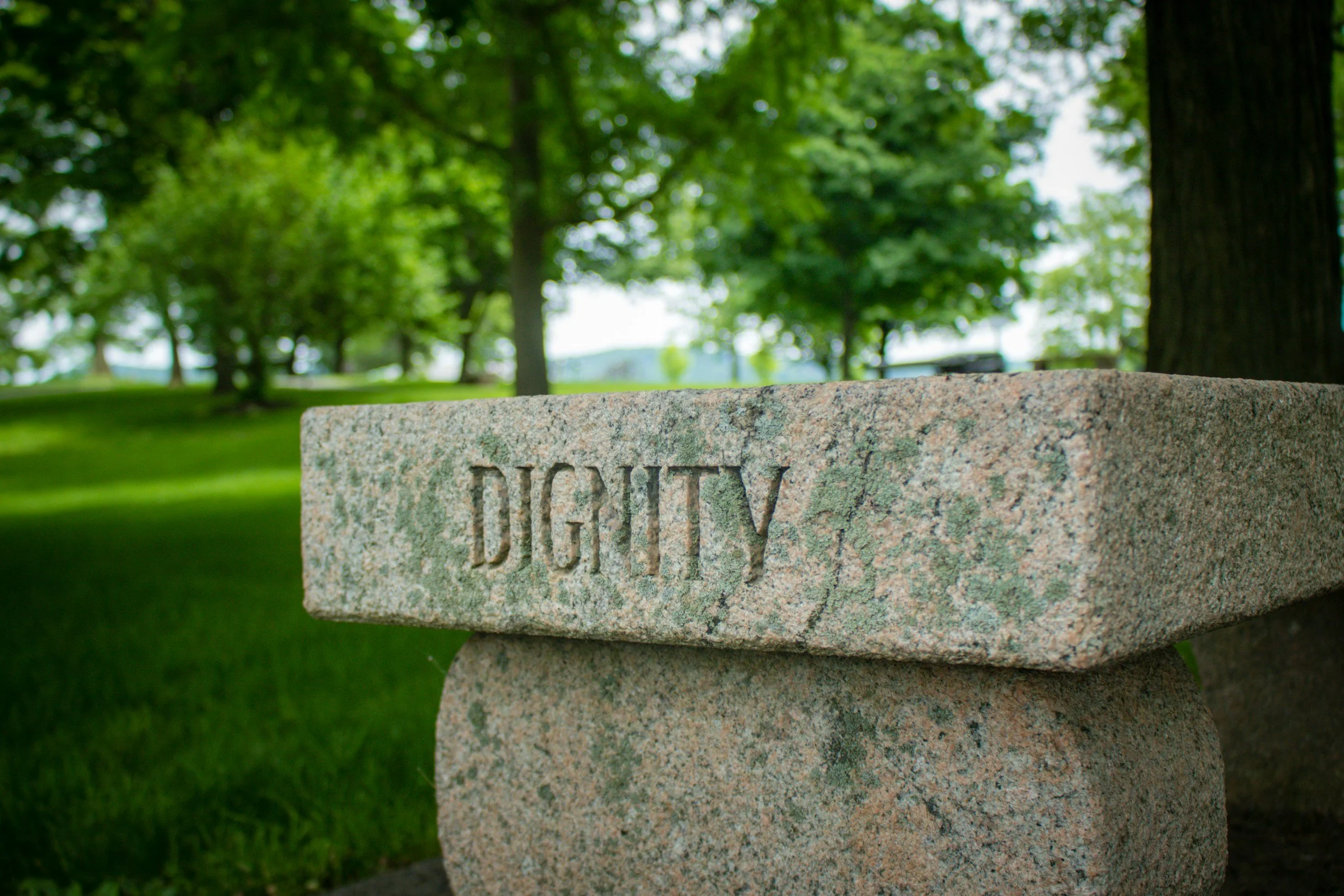
Dignity: An Expression of Adler’s Concept of Social Interest/Social Feeling, Inherent in the Biopsychosocial Model of Mental Health
By Christopher Eriksson, Ph.D.
Abstract: Adler’s metaphysical concept of social interest/social feeling (Gemeinschaftsgefühl in German) is explored in relation to dignity and mental health and Adler’s holistic and subjective psychology of use where it is viewed as a personality trait and a criterion for mental health. Although innate, it must be personally developed by each individual to be effective. Dignity is shown to be an expression of Adler’s social interest extended to oneself as self-respect. As the biopsychosocial determinants of mental health are the foundation of Adler’s goal-oriented psychology, Adlerians and their associations are ideally suited to empower clients to take charge of their mental health as well as address client and public concerns when loss of dignity and stigma is experienced. Read the full article here.
Join a NASAP Section in the New Year
Welcome to this new feature of The Connection! NASAP houses six sections, which meet regularly to network, promote learning, and foster understanding of different facets of Individual Psychology. These sections are Clinical Practice; Education; Family Education; Social Justice; Theory, Research, and Teaching; and Transformative Life Coaching. Look for regular updates from these sections in future issues. And, watch a video about our sections, here. Please enjoy these section updates:
Message from Our Section Liaison
Hi Everyone!
It is so wonderful to connect with all of you virtually via The Connection. We have many exciting updates from the NASAP sections, and I am grateful to have the opportunity to continue to serve NASAP as its Section Liaison. This year, the sections have created new events, started new projects, welcomed in new leadership, and have made plans to continue to build community and engagement with all of you. It has been wonderful to watch the sections’ growth and development.
As the Section Liaison, I had the opportunity to help streamline the process of transitioning into section leadership. For this, there were systems created that – with the help of the section chairs – will allow for the longevity of the sections by creating one singular “hub” to find information, store documents, and communicate with co-chairs for the sections.
Additionally, the section chairs have continued to meet quarterly together as a group to share ideas, discuss events, promote the sections, and work together to best serve NASAP and its growth.
At the 2025 conference, we also tried a Speed Dating with the Sections event in which members of NASAP had the opportunity to meet with section chairs, connect with new sections, and talk with members of the sections in order to better understand and learn about each group. This then offered an opportunity to meet the members and chairs of the sections before we had our annual section meetings. This event was well received, and we have been asked to continue the event. As a result, we are all looking forward to meeting with you at our “speed dating” event and our annual meetings.
Please feel free to reach out to me at
drcvictor@compassionatecouragepsychotherapy.com if you have any questions or concerns about the sections. I am here to help in any way I can.
It has been wonderful getting to serve in this position, and I look forward to seeing what the coming year brings. See you all at the 2026 conference!
Best Wishes,
Constance (Connie) Victor, Psy.D.
Clinical Practice: Grace Jacobson and Jamie Shuler, Co-Chairs
The Clinical Practice Section serves as a home to all service professionals who identify as Adlerian and who adopt Adlerian perspectives, techniques, and strategies in serving others. Our members are professionals who identify as Adlerian, including students, licensed and pre-licensed clinicians, professors, researchers, coaches, and health and wellness professionals. We strive to create a supportive network and provide networking and training opportunities for members. Currently, we offer a consultation group twice monthly, and we have plans to offer more in-depth training and connection opportunities in the coming year. If you have questions about the Clinical Practice Section, please email nasapclinicalpractice@gmail.com. We'd love to hear from you!
Education: Yogi Patel and Melanie Lopez, Co-Chairs
The NASAP Education Section is looking forward to an engaging year ahead as we continue to connect, learn, and support educators through Adlerian perspectives. Co-chairs Melanie Lopez and Yogi Patel are grateful to Dr. Bill Nicoll and Dr. Amy Lew for generously sharing their wisdom and experience with our community. Their contributions set a strong foundation for meaningful dialogue and practical application in educational settings. We will be meeting every other month on Saturdays from 8:00–9:30 AM PST, beginning with our January session focused on The Beginning of a Perfect School Year. We warmly invite educators, trainers, and Adlerian practitioners to join the conversation, attend upcoming sessions, and consider presenting on topics that support educators, students, and school communities. If you’re interested in contributing or attending, we would love to hear from you as we grow this collaborative space together.
Family Education Section: Marjie Longshore and Bob Saxner, Psy.D., Co-Chairs
The purpose of the Family Education Interest section is to create a forum and network for exchanging ideas, materials and resources related to Adlerian Family Education; to reduce isolation and discouragement among individuals and small groups who do not have access to on-going community support; to encourage the development of increasingly effective methods for the research, collection and dissemination of information related to Family Education, and to support and highlight the work already in existence in Family Education. The section will continue to honor the statement of purpose while continually looking at ways to evolve and extend outreach and meaningfulness to the Adlerian community and beyond.
Social Justice: Jim McMeachin, Chair
The Social Justice Section is looking forward to exciting times in the new year. The early part of the year will see the establishment of our version of TAP talks. Keep an eye on your email as we look to determine scheduling so that as many members as possible can take advantage of this resource! Sadly, we do have to announce that the leadership structure will be shifting slightly in the New Year. Dr. Mary Simmerling has stepped away from her leadership role in the section. We would like to acknowledge her efforts over the past year and thank her for organizing events such as the toiletry donation drive at the Portland annual conference and making recently available writing workshops. Please join us as we wish her all luck in the future! Plans are still forming for the establishment of a 20-minute conversation type podcast that will cover various social justice topics, so if you have suggestions or would like to be part of a discussion, feel free to reach out to Jim McMeachin at mcmeachinj@moval.edu. We look forward to the new year and the new beginnings that will come with it as well as working toward effective connections as we move forward!
Theory, Research, and Teaching (TRT): Dan and Jennifer Williamson, Co-Chairs
The Theory, Research, and Teaching Section (TRT) encourages the theoretical development of Alfred Adler's Individual Psychology through scholarly research and the teaching of this orientation at the undergraduate and graduate levels. We provide symposiums and presentations, facilitate meetings at our annual convention, and support one another as we extend the scientific and academic frontier of Individual Psychology.
TRT hosts meaningful events to help Adlerian professionals interested in theory, research, or teaching understand and apply Adlerian principles in a variety of settings. One of our signature events is the TAP Talk. TAP Talks are presented several times each year as a way of staying connected with NASAP members and as a way of providing an opportunity for continuing education hours. If you want more information concerning TRT, has any questions, or would like to submit a proposal for a TAP Talk, please email TRT at nasaptrt@gmail.com Everyone is Welcome! Members of the TRT Section join together, regardless of focus or application, and strive to keep Individual Psychology relevant and applicable.
Transformative Life Coaching (TLC): Pascale Brady and Kevin O’Connor, Co-Chairs
As 2025 draws to a close, the TLC Section is buzzing with gratitude — and anticipation! This year, we deepened our commitment to bringing Adlerian wisdom to the world of coaching and leadership, one bimonthly gathering at a time. Each session has offered a lively mix of conversation, demonstration, and shared learning – and participants have joined us not just from across North America, but from Asia, Europe, and beyond.
Looking ahead to 2026, we’re eager to expand this spirit of connection and contribution. Our mission goes beyond gathering Adlerian coaches and leaders; we also aim to invite coaches and leaders who are not yet Adlerian into our circle to introduce them to Adler’s practical, uplifting philosophy and the sense of community it creates. That’s why our meetings are free and open to all, serving as both a welcoming space for professionals and a gentle “missionary” effort to spread Adlerian ideas into new fields and cultures.
If you haven’t yet joined us, come experience how Transformative Life Coaching, rooted in Adlerian principles, truly lives up to its name. You’ll find inspiration, camaraderie, and a growing global community of practitioners who believe that encouragement changes everything. For additional information, reach out to pascale.brady@thechallengecoach.com

Connie Victor, Psy.D., Section Liaison
We are still offering the November photo challenge...
We are still offering the November photo challenge...
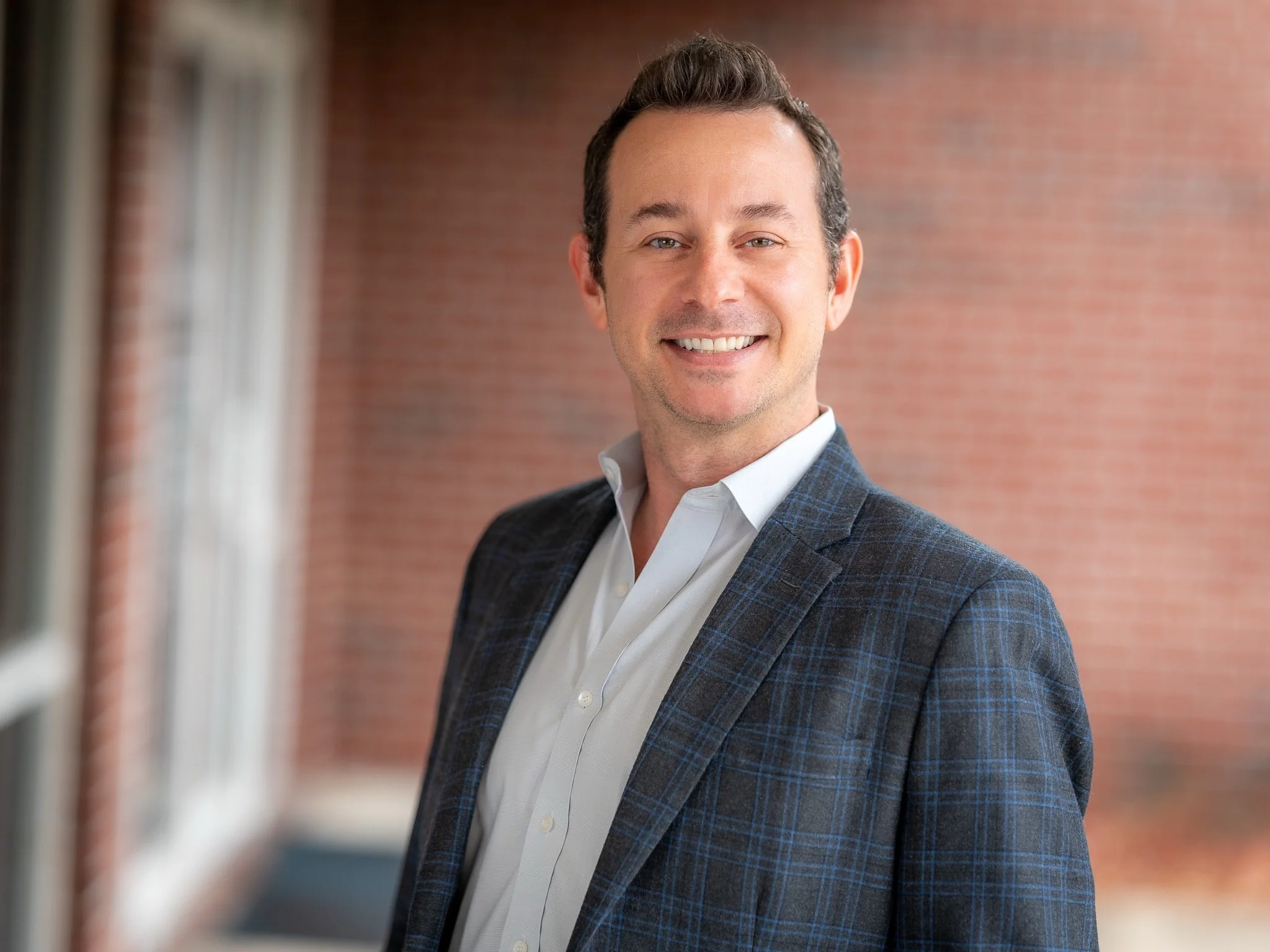
So far, we haven’t received any guesses about the November photo challenge. Tim Hartshorne provided us with this picture to tickle your memories. Please write to NASAPNews@gmail.com with your best guesses about the people in the photo below. Special bonus points to anyone who can name the venue and/or the year!

Addiction Recovery and the Science of Habit Change
By Nick Padlo, Founder and CEO, Sophros Recovery
Ask anyone in recovery, and they can tell you that the treatment of addiction expands far beyond treating chemical dependency. Recovery entails a complex interplay of brain chemistry, learned behavior, and a desire to overcome feelings of inferiority or failure and ultimately contribute to the world around us.
Dual-diagnosis treatment considers both physical addiction and mental health concerns. Treatment teams focus on a holistic approach and the social constructs behind recovery with the mission of helping people fully regain their lives through mental health and addiction therapy.
How addiction can rewire the brain
The brain’s habit systems can be fundamentally changed with the introduction of substances. Once addiction takes hold, the entire habit system of the brain can be rewired. The brain’s reward and pleasure components can be hijacked by substances, leading to destructive behaviors becoming deeply ingrained into a person’s personality and mental state. The brain begins to associate the feeling that comes from substances with pleasure or relief, and those feelings reinforce the choice to use, even if using can cause long-term harm to the person.
Alfred Adler explored individuals in the context of the holistic nature of human behavior. His theories emphasize that while our past and environment can shape our habits and choices, we need not be prisoners of them. There is a way out of the harmful feedback loop that can come with substance use. Insight, encouragement, and a sense of belonging to the community at large can help people rewire their brains and reclaim agency over their addiction.
Changing habits for long-term recovery
For substance abuse recovery to work long term, people must focus on changing deeply ingrained habits, behaviors, and underlying beliefs. Dual-diagnosis recovery is always approached as an ongoing, active process. Patients are given structured routines, the ability to connect with others, therapeutic repetition, and time to self-reflect, all with the hope that they can replace old habits that led to substance use with healthier ones.
A sense of identity is at the heart of a more holistic approach to both substance abuse treatment and mental health treatment. Those in recovery are encouraged to see themselves as resilient and to strive for superiority in their own way. Often, those who find themselves struggling with substance abuse may have feelings of inferiority that can get in the way of a full recovery. With structure, repetition, and a focus on identity in healing, those who undergo a holistic, dual-diagnosis program can learn to change habits on their pathway to sustainable recovery.
Relapses: learning opportunities
For the families and friends of recovering addicts, a relapse can be devastating. It is often misunderstood as a failure. However, with an Adlerian approach, such as the dual-diagnosis consideration the Sophros program offers, relapse can be seen as a learning opportunity.
Substance abuse counselors and treatment specialists focus on the Adlerian question of the “why” behind each relapse, fostering a community that holds people up with compassion and nurtures a collaborative approach to adjusting treatment plans. Treatment professionals want patients to persevere, not self-blame or think of themselves as failures, should a relapse occur.
By integrating long-trusted Adlerian principles into a treatment approach, the whole patient can be considered — mind, body, and spirit. Through one structured step and one new habit at a time, dual-diagnosis treatment professionals can help people find lasting recovery and a new way of life.
- Sophros Recovery is an addiction treatment center based in Jacksonville, Florida.
Enjoy an Original Video Series: Understanding Yourself and Others
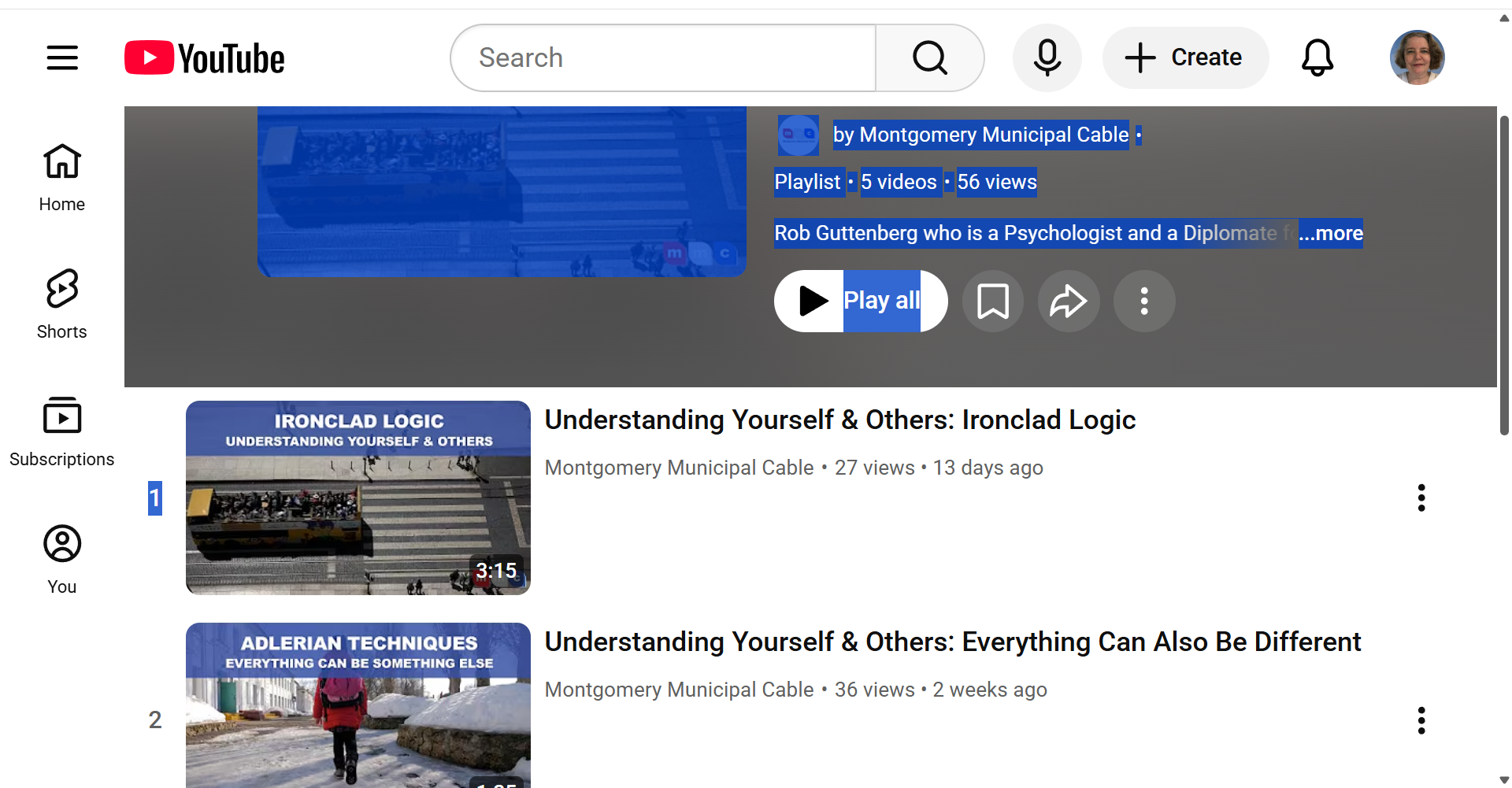
Adlerian Diplomate, Rob Guttenberg, has produced a series of videos on understanding yourself and others. Check them out here.

Call for Contributions
The Connection is your newsletter, and we need your contributions! Please send your news items, videos, reminders, photos, and feature-length articles to our editor, Ellen Alderton, at NASAPNews@gmail.com.